1 juillet 2026

Burkina Voix

Média burkinabè indépendant qui donne la parole aux citoyens : actualités politiques, sécuritaires et économiques du Faso.

Le Gabon ambitionne de transformer ses parcs nationaux en standards mondiaux de conservation
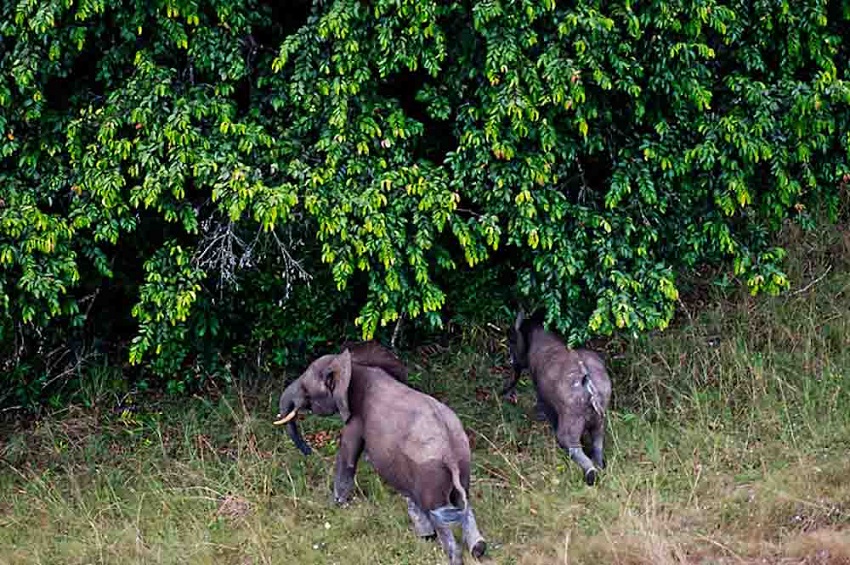
An aerial view of a heard of African elephants in the Wonga Wongue presidential reserve, Gabon. The Wildlife Crime Story - from Africa to Asia: Sudanese Janjaweed militiamen believed to be responsible for the massacre of hundreds of elephants earlier this year are on the move again in Central Africa. Intelligence sources say they are headed back to Cameroon with the intent to shoot more elephants for their valuable ivory tusks. This time, however, Cameroon's special forces will be waiting at the border. Governments like Cameroon are becoming increasingly alarmed by the use of wildlife trafficking as a source of funding for insurgents. Rebel groups, drug syndicates and even terrorist networks have seen an opportunity to profit from what has until now been a low risk, high reward criminal enterprise. Populations of rare animals like elephants, tigers and rhinos are plummeting as a result. The products sourced from this bloody business are nearly unrecognizable on the other end of the trade chain where they are being sold in up-scale, air conditioned Asian boutiques. Intricate carvings, jewelry and medical tonics made from endangered species are becoming more and more popular in places like China, Thailand and Vietnam. Economic success has thrust swaths of people in to the middle class, and many have come with the desire to possess things that used to be out of reach to all but the highest elites. Although they are illegal, they are easily obtainable by anyone with internet access and a big enough bank account. Consumers of illegal wildlife products may not know that their money is being used by militias to purchase guns and bribe government officials. Militias like the one run by a man called 'Morgan' who led an attack on a wildlife refuge in Democratic Republic of the Congo in June. Morgan's crew shot dead seven people and took others as hostages and sex slaves. The destruction brought about by illegal wildlife trade has its roots in Asian demand. But poaching is ab

Libreville – Face aux défis climatiques qui redéfinissent l’économie planétaire, le Gabon franchit une étape décisive dans sa politique de préservation. Le pays vient d’initier le processus de certification FSC pour l’intégralité de ses treize parcs nationaux.

Une gouvernance environnementale de premier plan

Cette initiative, pilotée par l’Agence Nationale des Parcs Nationaux (ANPN), vise à ériger le réseau d’aires protégées gabonais en véritable référence internationale. L’objectif est double : assurer la protection de la biodiversité tout en ouvrant la voie à des financements verts innovants.
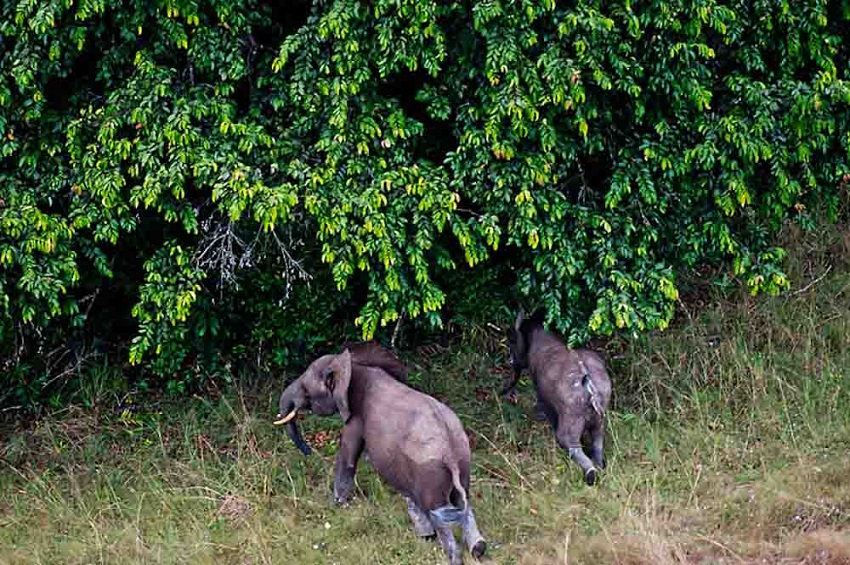
Le tourisme dans les parcs du Gabon

Récemment, les responsables de l’ANPN et les experts du Forest Stewardship Council Afrique se sont réunis pour établir les bases techniques de ce chantier. Cette phase préparatoire a permis d’aligner les méthodes de gestion locales sur les exigences internationales les plus strictes en matière de transparence et de participation des populations locales.

Historiquement liée à l’exploitation forestière durable, l’extension de la certification FSC aux aires protégées est un signal fort envoyé à la communauté internationale. Elle garantit une gestion rigoureuse des ressources naturelles et une protection accrue des écosystèmes fragiles.

La biodiversité comme moteur économique

Couvrant environ 11 % du territoire national, les parcs du Gabon abritent une faune exceptionnelle, notamment des éléphants de forêt et des gorilles. La certification envisagée ne se limite pas à la simple surveillance ; elle valorise les services écosystémiques tels que la séquestration du carbone et la régulation du climat.

Les discussions avec le FSC Afrique ont mis en lumière le potentiel de l’écotourisme et des nouveaux mécanismes de financement climatique. En adoptant ces standards, le pays se positionne comme un pionnier sur le continent africain. Cette stratégie renforce la crédibilité du Gabon auprès des investisseurs internationaux, transformant son patrimoine naturel en un levier diplomatique et financier majeur pour le développement durable.